Buy wirtualnagra.pl ?
We are moving the project
wirtualnagra.pl .
Are you interested in purchasing the domain
wirtualnagra.pl ?
domain@kv-gmbh.de · 0541-91531010
Buy wirtualnagra.pl ?
How do dipole-dipole forces affect the boiling temperature?
Dipole-dipole forces are attractive forces between the positive end of one polar molecule and the negative end of another polar molecule. These forces cause the molecules to be attracted to each other and stick together, making it more difficult for them to break apart and become a gas. As a result, substances with stronger dipole-dipole forces will have higher boiling temperatures because more energy is required to overcome these attractive forces and turn the substance into a gas. Therefore, the presence of dipole-dipole forces can increase the boiling temperature of a substance. **
Why are hydrogen bonds stronger than dipole-dipole interactions?
Hydrogen bonds are stronger than dipole-dipole interactions because they involve a specific interaction between a hydrogen atom and a highly electronegative atom such as oxygen, nitrogen, or fluorine. This creates a strong partial positive charge on the hydrogen atom and a strong partial negative charge on the electronegative atom, leading to a strong attraction between the two. In contrast, dipole-dipole interactions occur between the partial positive and negative charges of polar molecules, which are generally weaker than the specific interaction between a hydrogen atom and a highly electronegative atom in a hydrogen bond. **

Similar search terms for Dipole
Top-Angebote
Products related to Dipole:
-
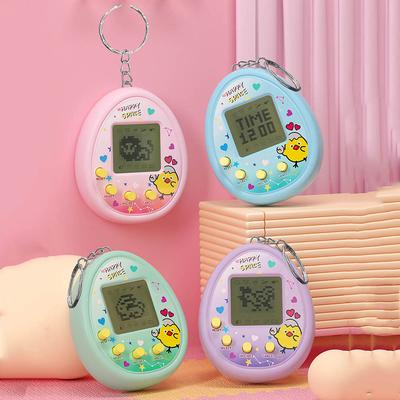
Transparent Electronic Pets Nostalgic 168 in 1 Virtual Cyber Digital Toy 11Command ultimate recreational confidence with the CyberBiological Nostalgia System, a highperformance digital solution specifically engineered to act as a comprehensive tool for elite organization and superior technical ergonomics. Built with a...53,97 $*Shipping: 0,00 $Secure redirect to the provider
-
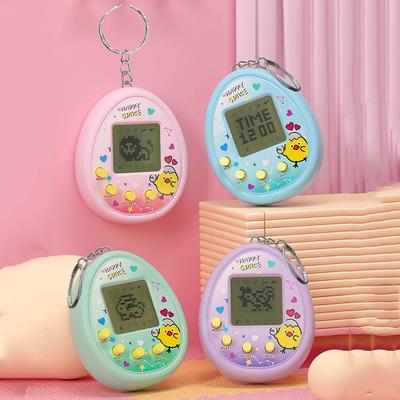
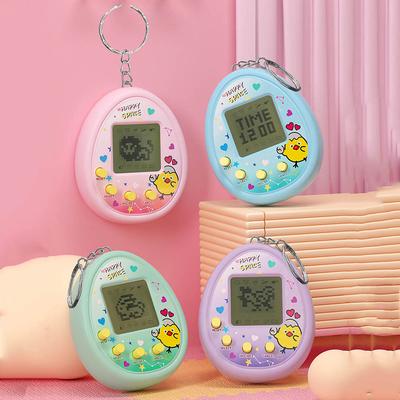
Electronic Pets Game Toys Virtual Tamagotchi, Nostalgic Virtual Cyber Digital Animals Toys For Kids Child greenRelive the Joy of Classic Playtime Bring back heartwarming memories with Electronic Pets Game Toys Virtual Tamagotchi that blend nostalgia with modern fun. These Nostalgic Virtual Cyber Digital pets let kids care feed and grow their own digital...39,97 $*Shipping: 0,00 $Secure redirect to the provider
-
Electronic Pets Game Toys Virtual Tamagotchi, Nostalgic Virtual Cyber Digital Animals Toys For Kids Child pinkRelive the Joy of Classic Playtime Bring back heartwarming memories with Electronic Pets Game Toys Virtual Tamagotchi that blend nostalgia with modern fun. These Nostalgic Virtual Cyber Digital pets let kids care feed and grow their own digital...39,97 $*Shipping: 0,00 $Secure redirect to the provider
-
Electronic Pets Game Toys Virtual Tamagotchi, Nostalgic Virtual Cyber Digital Animals Toys For Kids Child purpleRelive the Joy of Classic Playtime Bring back heartwarming memories with Electronic Pets Game Toys Virtual Tamagotchi that blend nostalgia with modern fun. These Nostalgic Virtual Cyber Digital pets let kids care feed and grow their own digital...39,97 $*Shipping: 0,00 $Secure redirect to the provider


-
Why do ethers have only weak dipole-dipole interactions?
Ethers have only weak dipole-dipole interactions because the oxygen atom in the ether molecule is less electronegative than the oxygen atom in alcohols or the nitrogen atom in amines. This results in a smaller difference in electronegativity between the oxygen and the carbon atoms in the ether molecule, leading to weaker dipole moments. As a result, the overall dipole-dipole interactions in ethers are weaker compared to molecules with larger electronegativity differences, such as alcohols and amines. **
-
Is the ammonia molecule a dipole or not a dipole?
The ammonia molecule is a dipole. This is because the molecule has a trigonal pyramidal shape with a lone pair of electrons on the nitrogen atom. The electronegativity difference between nitrogen and hydrogen causes the molecule to have a net dipole moment, with the nitrogen end being partially negative and the hydrogen end being partially positive. This makes ammonia a polar molecule. **
-
Why is CO2 not a dipole and H2O a dipole?
CO2 is not a dipole because it has a linear molecular geometry, meaning the two oxygen atoms are symmetrically arranged around the central carbon atom, resulting in a net dipole moment of zero. On the other hand, H2O is a dipole because it has a bent molecular geometry, causing the oxygen atom to pull the shared electrons closer to itself, resulting in a net dipole moment. This uneven distribution of charge creates a positive end (the hydrogen atoms) and a negative end (the oxygen atom), making H2O a polar molecule. **
-
What is the difference between dipole-dipole forces and hydrogen bonds?
Dipole-dipole forces are attractive forces between the positive end of one polar molecule and the negative end of another polar molecule. These forces occur between any two polar molecules and are relatively weaker than hydrogen bonds. On the other hand, hydrogen bonds are a specific type of dipole-dipole force that occurs between a hydrogen atom bonded to a highly electronegative atom (such as oxygen, nitrogen, or fluorine) and a lone pair of electrons on another highly electronegative atom. This type of bond is stronger than regular dipole-dipole forces and is responsible for the unique properties of water and other molecules with hydrogen bonding. **


What is the difference between hydrogen bonding and dipole-dipole interactions?
Hydrogen bonding is a specific type of dipole-dipole interaction that occurs between a hydrogen atom bonded to a highly electronegative atom (such as oxygen, nitrogen, or fluorine) and another electronegative atom in a different molecule. This type of interaction is stronger than regular dipole-dipole interactions because of the large electronegativity difference between the hydrogen and the other atom, resulting in a stronger attraction between the molecules. In contrast, dipole-dipole interactions occur between the positive end of one polar molecule and the negative end of another polar molecule, but do not involve a hydrogen atom bonded to a highly electronegative atom. **
What is the difference between a dipole and a non-dipole?
A dipole is a molecule that has a separation of positive and negative charges, resulting in a net dipole moment. This means that the molecule has a non-uniform distribution of electron density, leading to a partial positive and partial negative charge. On the other hand, a non-dipole molecule has a symmetrical distribution of electron density, resulting in no net dipole moment. This means that the molecule does not have a separation of positive and negative charges, and therefore does not exhibit dipole-dipole interactions. **
Top-Angebote
Products related to Dipole:
-
Electronic Pets Game Toys Virtual Tamagotchi, Nostalgic Virtual Cyber Digital Animals Toys For Kids Child blueRelive the Joy of Classic Playtime Bring back heartwarming memories with Electronic Pets Game Toys Virtual Tamagotchi that blend nostalgia with modern fun. These Nostalgic Virtual Cyber Digital pets let kids care feed and grow their own digital...39,97 $*Shipping: 0,00 $Secure redirect to the provider
-
Nostalgic Transparent Electronic Pets, Pixel Funny Virtual Cyber Digital Toy Keychain 13Bring back the charm of childhood with these Transparent Electronic Pets! Perfect for both kids and adults, this nostalgic virtual pet game brings fun pixel play and digital memories in a small, portable keychain size. With 168 pets to choose from,...23,97 $*Shipping: 0,00 $Secure redirect to the provider
-
Transparent Electronic Pets Nostalgic 168 in 1 Virtual Cyber Digital Toy 11Command ultimate recreational confidence with the CyberBiological Nostalgia System, a highperformance digital solution specifically engineered to act as a comprehensive tool for elite organization and superior technical ergonomics. Built with a...53,97 $*Shipping: 0,00 $Secure redirect to the provider
-
Electronic Pets Game Toys Virtual Tamagotchi, Nostalgic Virtual Cyber Digital Animals Toys For Kids Child greenRelive the Joy of Classic Playtime Bring back heartwarming memories with Electronic Pets Game Toys Virtual Tamagotchi that blend nostalgia with modern fun. These Nostalgic Virtual Cyber Digital pets let kids care feed and grow their own digital...39,97 $*Shipping: 0,00 $Secure redirect to the provider
-
How do dipole-dipole forces affect the boiling temperature?
Dipole-dipole forces are attractive forces between the positive end of one polar molecule and the negative end of another polar molecule. These forces cause the molecules to be attracted to each other and stick together, making it more difficult for them to break apart and become a gas. As a result, substances with stronger dipole-dipole forces will have higher boiling temperatures because more energy is required to overcome these attractive forces and turn the substance into a gas. Therefore, the presence of dipole-dipole forces can increase the boiling temperature of a substance. **
-
Why are hydrogen bonds stronger than dipole-dipole interactions?
Hydrogen bonds are stronger than dipole-dipole interactions because they involve a specific interaction between a hydrogen atom and a highly electronegative atom such as oxygen, nitrogen, or fluorine. This creates a strong partial positive charge on the hydrogen atom and a strong partial negative charge on the electronegative atom, leading to a strong attraction between the two. In contrast, dipole-dipole interactions occur between the partial positive and negative charges of polar molecules, which are generally weaker than the specific interaction between a hydrogen atom and a highly electronegative atom in a hydrogen bond. **
-
Why do ethers have only weak dipole-dipole interactions?
Ethers have only weak dipole-dipole interactions because the oxygen atom in the ether molecule is less electronegative than the oxygen atom in alcohols or the nitrogen atom in amines. This results in a smaller difference in electronegativity between the oxygen and the carbon atoms in the ether molecule, leading to weaker dipole moments. As a result, the overall dipole-dipole interactions in ethers are weaker compared to molecules with larger electronegativity differences, such as alcohols and amines. **
-
Is the ammonia molecule a dipole or not a dipole?
The ammonia molecule is a dipole. This is because the molecule has a trigonal pyramidal shape with a lone pair of electrons on the nitrogen atom. The electronegativity difference between nitrogen and hydrogen causes the molecule to have a net dipole moment, with the nitrogen end being partially negative and the hydrogen end being partially positive. This makes ammonia a polar molecule. **
Similar search terms for Dipole
-
Electronic Pets Game Toys Virtual Tamagotchi, Nostalgic Virtual Cyber Digital Animals Toys For Kids Child pinkRelive the Joy of Classic Playtime Bring back heartwarming memories with Electronic Pets Game Toys Virtual Tamagotchi that blend nostalgia with modern fun. These Nostalgic Virtual Cyber Digital pets let kids care feed and grow their own digital...39,97 $*Shipping: 0,00 $Secure redirect to the provider
-
Electronic Pets Game Toys Virtual Tamagotchi, Nostalgic Virtual Cyber Digital Animals Toys For Kids Child purpleRelive the Joy of Classic Playtime Bring back heartwarming memories with Electronic Pets Game Toys Virtual Tamagotchi that blend nostalgia with modern fun. These Nostalgic Virtual Cyber Digital pets let kids care feed and grow their own digital...39,97 $*Shipping: 0,00 $Secure redirect to the provider
-
Nostalgic Transparent Electronic Pets, Pixel Funny Virtual Cyber Digital Toy Keychain 1Bring back the charm of childhood with these Transparent Electronic Pets! Perfect for both kids and adults, this nostalgic virtual pet game brings fun pixel play and digital memories in a small, portable keychain size. With 168 pets to choose from,...23,97 $*Shipping: 0,00 $Secure redirect to the provider
-
Nostalgic Transparent Electronic Pets, Pixel Funny Virtual Cyber Digital Toy Keychain 10Bring back the charm of childhood with these Transparent Electronic Pets! Perfect for both kids and adults, this nostalgic virtual pet game brings fun pixel play and digital memories in a small, portable keychain size. With 168 pets to choose from,...23,97 $*Shipping: 0,00 $Secure redirect to the provider
-
Why is CO2 not a dipole and H2O a dipole?
CO2 is not a dipole because it has a linear molecular geometry, meaning the two oxygen atoms are symmetrically arranged around the central carbon atom, resulting in a net dipole moment of zero. On the other hand, H2O is a dipole because it has a bent molecular geometry, causing the oxygen atom to pull the shared electrons closer to itself, resulting in a net dipole moment. This uneven distribution of charge creates a positive end (the hydrogen atoms) and a negative end (the oxygen atom), making H2O a polar molecule. **
-
What is the difference between dipole-dipole forces and hydrogen bonds?
Dipole-dipole forces are attractive forces between the positive end of one polar molecule and the negative end of another polar molecule. These forces occur between any two polar molecules and are relatively weaker than hydrogen bonds. On the other hand, hydrogen bonds are a specific type of dipole-dipole force that occurs between a hydrogen atom bonded to a highly electronegative atom (such as oxygen, nitrogen, or fluorine) and a lone pair of electrons on another highly electronegative atom. This type of bond is stronger than regular dipole-dipole forces and is responsible for the unique properties of water and other molecules with hydrogen bonding. **
-
What is the difference between hydrogen bonding and dipole-dipole interactions?
Hydrogen bonding is a specific type of dipole-dipole interaction that occurs between a hydrogen atom bonded to a highly electronegative atom (such as oxygen, nitrogen, or fluorine) and another electronegative atom in a different molecule. This type of interaction is stronger than regular dipole-dipole interactions because of the large electronegativity difference between the hydrogen and the other atom, resulting in a stronger attraction between the molecules. In contrast, dipole-dipole interactions occur between the positive end of one polar molecule and the negative end of another polar molecule, but do not involve a hydrogen atom bonded to a highly electronegative atom. **
-
What is the difference between a dipole and a non-dipole?
A dipole is a molecule that has a separation of positive and negative charges, resulting in a net dipole moment. This means that the molecule has a non-uniform distribution of electron density, leading to a partial positive and partial negative charge. On the other hand, a non-dipole molecule has a symmetrical distribution of electron density, resulting in no net dipole moment. This means that the molecule does not have a separation of positive and negative charges, and therefore does not exhibit dipole-dipole interactions. **
* All prices are inclusive of VAT and, if applicable, plus shipping costs. The offer information is based on the details provided by the respective shop and is updated through automated processes. Real-time updates do not occur, so deviations can occur in individual cases. ** Note: Parts of this content were created by AI.