Buy wirtualnagra.pl ?
We are moving the project
wirtualnagra.pl .
Are you interested in purchasing the domain
wirtualnagra.pl ?
domain@kv-gmbh.de · 0541-91531010
Buy wirtualnagra.pl ?
What is the principle of virtual displacement?
The principle of virtual displacement is a fundamental concept in classical mechanics that states that for a system in equilibrium, the total virtual work done by all forces acting on the system is zero for any virtual displacement. This principle is used to analyze the equilibrium of a system by considering the small virtual displacements that the system could undergo without violating any constraints. By applying this principle, one can derive equations of equilibrium and solve for unknown forces or reactions in a structure or mechanism. **
What is the economic principle: the principle of minimum or the principle of maximum?
The principle of minimum and the principle of maximum are economic principles that relate to decision-making. The principle of minimum states that individuals or firms will seek to minimize their costs or inputs in order to achieve a certain level of output or outcome. On the other hand, the principle of maximum states that individuals or firms will seek to maximize their benefits or outputs given a certain level of inputs or costs. Both principles are important in guiding economic decision-making and resource allocation. **
Similar search terms for Principle
Top-Angebote
Products related to Principle:
-
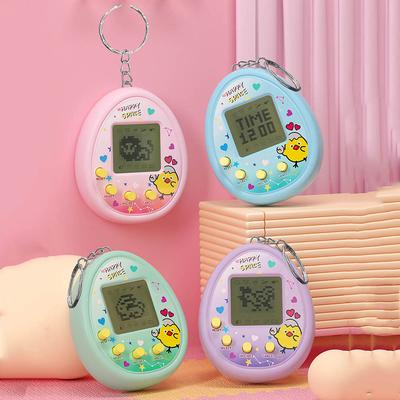
Nostalgic Transparent Electronic Pets, Pixel Funny Virtual Cyber Digital Toy Keychain 13Bring back the charm of childhood with these Transparent Electronic Pets! Perfect for both kids and adults, this nostalgic virtual pet game brings fun pixel play and digital memories in a small, portable keychain size. With 168 pets to choose from,...23,97 $*Shipping: 0,00 $Secure redirect to the provider
-
Transparent Electronic Pets Nostalgic 168 in 1 Virtual Cyber Digital Toy 11Command ultimate recreational confidence with the CyberBiological Nostalgia System, a highperformance digital solution specifically engineered to act as a comprehensive tool for elite organization and superior technical ergonomics. Built with a...53,97 $*Shipping: 0,00 $Secure redirect to the provider
-
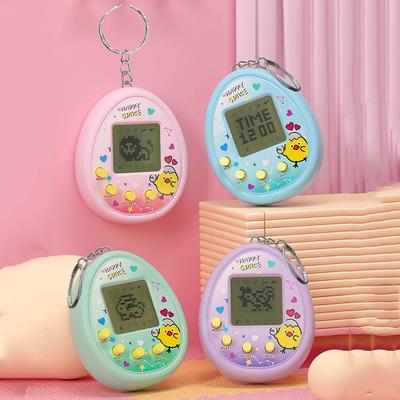
Electronic Pets Game Toys Virtual Tamagotchi, Nostalgic Virtual Cyber Digital Animals Toys For Kids Child greenRelive the Joy of Classic Playtime Bring back heartwarming memories with Electronic Pets Game Toys Virtual Tamagotchi that blend nostalgia with modern fun. These Nostalgic Virtual Cyber Digital pets let kids care feed and grow their own digital...39,97 $*Shipping: 0,00 $Secure redirect to the provider
-
Electronic Pets Game Toys Virtual Tamagotchi, Nostalgic Virtual Cyber Digital Animals Toys For Kids Child pinkRelive the Joy of Classic Playtime Bring back heartwarming memories with Electronic Pets Game Toys Virtual Tamagotchi that blend nostalgia with modern fun. These Nostalgic Virtual Cyber Digital pets let kids care feed and grow their own digital...39,97 $*Shipping: 0,00 $Secure redirect to the provider



-
What is the principle of the key-lock principle?
The key-lock principle is based on the idea that certain molecules or structures (keys) can fit into specific receptors or binding sites (locks) with high specificity and affinity. This principle is commonly used to describe the interaction between enzymes and their substrates, where the enzyme (lock) has a specific active site that perfectly fits the substrate (key), allowing for efficient catalysis. The key-lock principle highlights the importance of complementary shapes and chemical properties between molecules for effective interactions to occur. **
-
What is the principle of converting a waveform into digital signals?
The principle of converting a waveform into digital signals involves sampling the analog waveform at regular intervals to capture its amplitude at each point in time. This process is known as analog-to-digital conversion. The amplitude values are then quantized into discrete levels and encoded into binary digits, representing the digital signal. This conversion allows for the storage, processing, and transmission of the waveform in digital form, enabling more efficient manipulation and reproduction of the original analog signal. **
-
What is the ping-pong principle or the hourglass principle?
The ping-pong principle, also known as the hourglass principle, is a communication strategy where information is exchanged back and forth between two parties in a structured and concise manner. It involves each party taking turns to speak or provide input, similar to a game of ping-pong. This principle ensures that communication is balanced, effective, and allows for active listening and engagement from both parties. It helps to maintain a focused and productive conversation by preventing one party from dominating the discussion. **
-
What is the rocket principle and the principle of recoil?
The rocket principle states that for every action, there is an equal and opposite reaction. This means that when a rocket expels gas out of its engines, the force of the gas pushing out is matched by an equal force pushing the rocket in the opposite direction. The principle of recoil is similar, stating that when a gun is fired, the force of the bullet being expelled from the barrel is matched by an equal force pushing the gun in the opposite direction. Both principles are based on Newton's third law of motion, which describes the relationship between the forces acting on two interacting objects. **

What is the difference between analog and digital in the EVA principle?
In the EVA principle, analog refers to the qualitative aspects of a business, such as customer satisfaction, brand reputation, and employee morale. These are subjective measures that are difficult to quantify. On the other hand, digital in the EVA principle refers to the quantitative aspects of a business, such as revenue, profit margins, and market share. These are objective measures that can be easily quantified and analyzed. By considering both analog and digital aspects, businesses can gain a more comprehensive understanding of their overall performance. **
Does the principle of solidarity correspond to the principle of equivalence?
The principle of solidarity and the principle of equivalence are related but not the same. The principle of solidarity emphasizes mutual support and collective responsibility within a community, while the principle of equivalence focuses on equal treatment and fairness. Solidarity often involves individuals or groups providing assistance or resources to those in need, even if they have not contributed equally, whereas equivalence typically requires treating individuals or groups in the same way based on certain criteria. Both principles aim to promote fairness and justice, but they operate in slightly different ways. **
Top-Angebote
Products related to Principle:
-
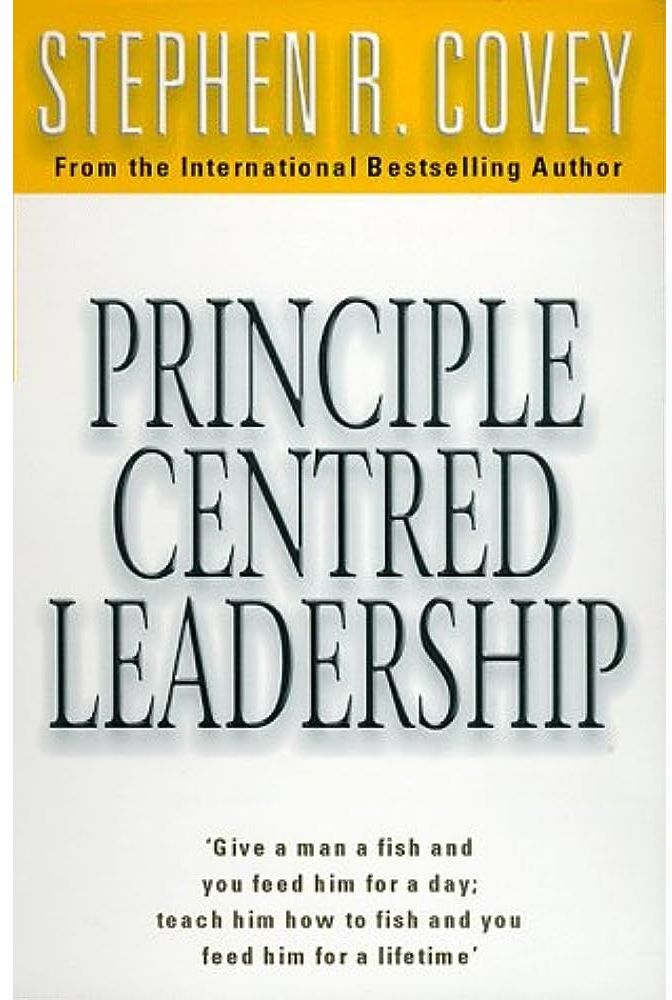
Simon & Schuster Principle Centred Leadership by Stephen R CoveyPRINCIPLE CENTRED LEADERSHIP will help solve these dilemmas - and many others:* how do we achieve a wise and renewing balance between work and family in the midst of constant pressures and crises?* how do we unleash the creativity, talent and energy of the vast majority of the work force, whose jobs neither require nor reward such resources?* how can we have a culture characterised by change, flexibility and continuous improvement and still maintain a sense of stability and security?* how do we create team spirit and harmony among people and departments that have been criticising and attacking each other for years?* how do we get people and culture aligned with strategy, so that everyone in an organisation is as committed to the strategy as those who formulated it?6,99 £*Shipping: 2,99 £Secure redirect to the provider
-
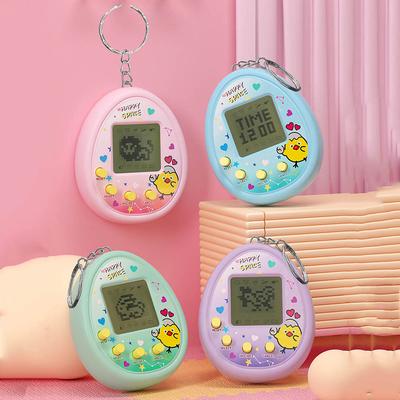
Electronic Pets Game Toys Virtual Tamagotchi, Nostalgic Virtual Cyber Digital Animals Toys For Kids Child blueRelive the Joy of Classic Playtime Bring back heartwarming memories with Electronic Pets Game Toys Virtual Tamagotchi that blend nostalgia with modern fun. These Nostalgic Virtual Cyber Digital pets let kids care feed and grow their own digital...39,97 $*Shipping: 0,00 $Secure redirect to the provider
-
Nostalgic Transparent Electronic Pets, Pixel Funny Virtual Cyber Digital Toy Keychain 13Bring back the charm of childhood with these Transparent Electronic Pets! Perfect for both kids and adults, this nostalgic virtual pet game brings fun pixel play and digital memories in a small, portable keychain size. With 168 pets to choose from,...23,97 $*Shipping: 0,00 $Secure redirect to the provider
-
Transparent Electronic Pets Nostalgic 168 in 1 Virtual Cyber Digital Toy 11Command ultimate recreational confidence with the CyberBiological Nostalgia System, a highperformance digital solution specifically engineered to act as a comprehensive tool for elite organization and superior technical ergonomics. Built with a...53,97 $*Shipping: 0,00 $Secure redirect to the provider
-
What is the principle of virtual displacement?
The principle of virtual displacement is a fundamental concept in classical mechanics that states that for a system in equilibrium, the total virtual work done by all forces acting on the system is zero for any virtual displacement. This principle is used to analyze the equilibrium of a system by considering the small virtual displacements that the system could undergo without violating any constraints. By applying this principle, one can derive equations of equilibrium and solve for unknown forces or reactions in a structure or mechanism. **
-
What is the economic principle: the principle of minimum or the principle of maximum?
The principle of minimum and the principle of maximum are economic principles that relate to decision-making. The principle of minimum states that individuals or firms will seek to minimize their costs or inputs in order to achieve a certain level of output or outcome. On the other hand, the principle of maximum states that individuals or firms will seek to maximize their benefits or outputs given a certain level of inputs or costs. Both principles are important in guiding economic decision-making and resource allocation. **
-
What is the principle of the key-lock principle?
The key-lock principle is based on the idea that certain molecules or structures (keys) can fit into specific receptors or binding sites (locks) with high specificity and affinity. This principle is commonly used to describe the interaction between enzymes and their substrates, where the enzyme (lock) has a specific active site that perfectly fits the substrate (key), allowing for efficient catalysis. The key-lock principle highlights the importance of complementary shapes and chemical properties between molecules for effective interactions to occur. **
-
What is the principle of converting a waveform into digital signals?
The principle of converting a waveform into digital signals involves sampling the analog waveform at regular intervals to capture its amplitude at each point in time. This process is known as analog-to-digital conversion. The amplitude values are then quantized into discrete levels and encoded into binary digits, representing the digital signal. This conversion allows for the storage, processing, and transmission of the waveform in digital form, enabling more efficient manipulation and reproduction of the original analog signal. **
Similar search terms for Principle
-
Electronic Pets Game Toys Virtual Tamagotchi, Nostalgic Virtual Cyber Digital Animals Toys For Kids Child greenRelive the Joy of Classic Playtime Bring back heartwarming memories with Electronic Pets Game Toys Virtual Tamagotchi that blend nostalgia with modern fun. These Nostalgic Virtual Cyber Digital pets let kids care feed and grow their own digital...39,97 $*Shipping: 0,00 $Secure redirect to the provider
-
Electronic Pets Game Toys Virtual Tamagotchi, Nostalgic Virtual Cyber Digital Animals Toys For Kids Child pinkRelive the Joy of Classic Playtime Bring back heartwarming memories with Electronic Pets Game Toys Virtual Tamagotchi that blend nostalgia with modern fun. These Nostalgic Virtual Cyber Digital pets let kids care feed and grow their own digital...39,97 $*Shipping: 0,00 $Secure redirect to the provider
-
Electronic Pets Game Toys Virtual Tamagotchi, Nostalgic Virtual Cyber Digital Animals Toys For Kids Child purpleRelive the Joy of Classic Playtime Bring back heartwarming memories with Electronic Pets Game Toys Virtual Tamagotchi that blend nostalgia with modern fun. These Nostalgic Virtual Cyber Digital pets let kids care feed and grow their own digital...39,97 $*Shipping: 0,00 $Secure redirect to the provider
-
Nostalgic Transparent Electronic Pets, Pixel Funny Virtual Cyber Digital Toy Keychain 1Bring back the charm of childhood with these Transparent Electronic Pets! Perfect for both kids and adults, this nostalgic virtual pet game brings fun pixel play and digital memories in a small, portable keychain size. With 168 pets to choose from,...23,97 $*Shipping: 0,00 $Secure redirect to the provider
-
What is the ping-pong principle or the hourglass principle?
The ping-pong principle, also known as the hourglass principle, is a communication strategy where information is exchanged back and forth between two parties in a structured and concise manner. It involves each party taking turns to speak or provide input, similar to a game of ping-pong. This principle ensures that communication is balanced, effective, and allows for active listening and engagement from both parties. It helps to maintain a focused and productive conversation by preventing one party from dominating the discussion. **
-
What is the rocket principle and the principle of recoil?
The rocket principle states that for every action, there is an equal and opposite reaction. This means that when a rocket expels gas out of its engines, the force of the gas pushing out is matched by an equal force pushing the rocket in the opposite direction. The principle of recoil is similar, stating that when a gun is fired, the force of the bullet being expelled from the barrel is matched by an equal force pushing the gun in the opposite direction. Both principles are based on Newton's third law of motion, which describes the relationship between the forces acting on two interacting objects. **
-
What is the difference between analog and digital in the EVA principle?
In the EVA principle, analog refers to the qualitative aspects of a business, such as customer satisfaction, brand reputation, and employee morale. These are subjective measures that are difficult to quantify. On the other hand, digital in the EVA principle refers to the quantitative aspects of a business, such as revenue, profit margins, and market share. These are objective measures that can be easily quantified and analyzed. By considering both analog and digital aspects, businesses can gain a more comprehensive understanding of their overall performance. **
-
Does the principle of solidarity correspond to the principle of equivalence?
The principle of solidarity and the principle of equivalence are related but not the same. The principle of solidarity emphasizes mutual support and collective responsibility within a community, while the principle of equivalence focuses on equal treatment and fairness. Solidarity often involves individuals or groups providing assistance or resources to those in need, even if they have not contributed equally, whereas equivalence typically requires treating individuals or groups in the same way based on certain criteria. Both principles aim to promote fairness and justice, but they operate in slightly different ways. **
* All prices are inclusive of VAT and, if applicable, plus shipping costs. The offer information is based on the details provided by the respective shop and is updated through automated processes. Real-time updates do not occur, so deviations can occur in individual cases. ** Note: Parts of this content were created by AI.