Buy wirtualnagra.pl ?
We are moving the project
wirtualnagra.pl .
Are you interested in purchasing the domain
wirtualnagra.pl ?
domain@kv-gmbh.de · 0541-91531010
Buy wirtualnagra.pl ?
Can parents take away the internet?
Yes, parents have the authority to take away the internet from their children as a form of discipline or to set boundaries. It is important for parents to establish clear rules and consequences regarding internet usage in the household. However, it is also important for parents to have open communication with their children about the reasons for taking away the internet and to work towards finding a balance that promotes responsible internet usage. **
What do parents do on the internet?
Parents use the internet for a variety of purposes, including staying connected with family and friends through social media, researching and gathering information on parenting and child development, shopping for household items and children's necessities, managing finances and banking, and seeking out entertainment and leisure activities. Additionally, parents may use the internet to access educational resources for themselves and their children, seek out parenting advice and support from online communities, and stay informed about current events and news. Overall, the internet serves as a valuable tool for parents to navigate and manage various aspects of their lives. **

Similar search terms for Parents
Top-Angebote
Products related to Parents:
-
Uplift Picks Tic Tac Toe Board Game Family Puzzle Game For Kids And Parents 1Simple, classic, and endlessly fun, this tic tac toe board game brings timeless entertainment to kids and families. Designed for friendly competition, it encourages children to think ahead while enjoying playful interaction with parents or friends....49,50 $*Shipping: 0,00 $Secure redirect to the provider
-
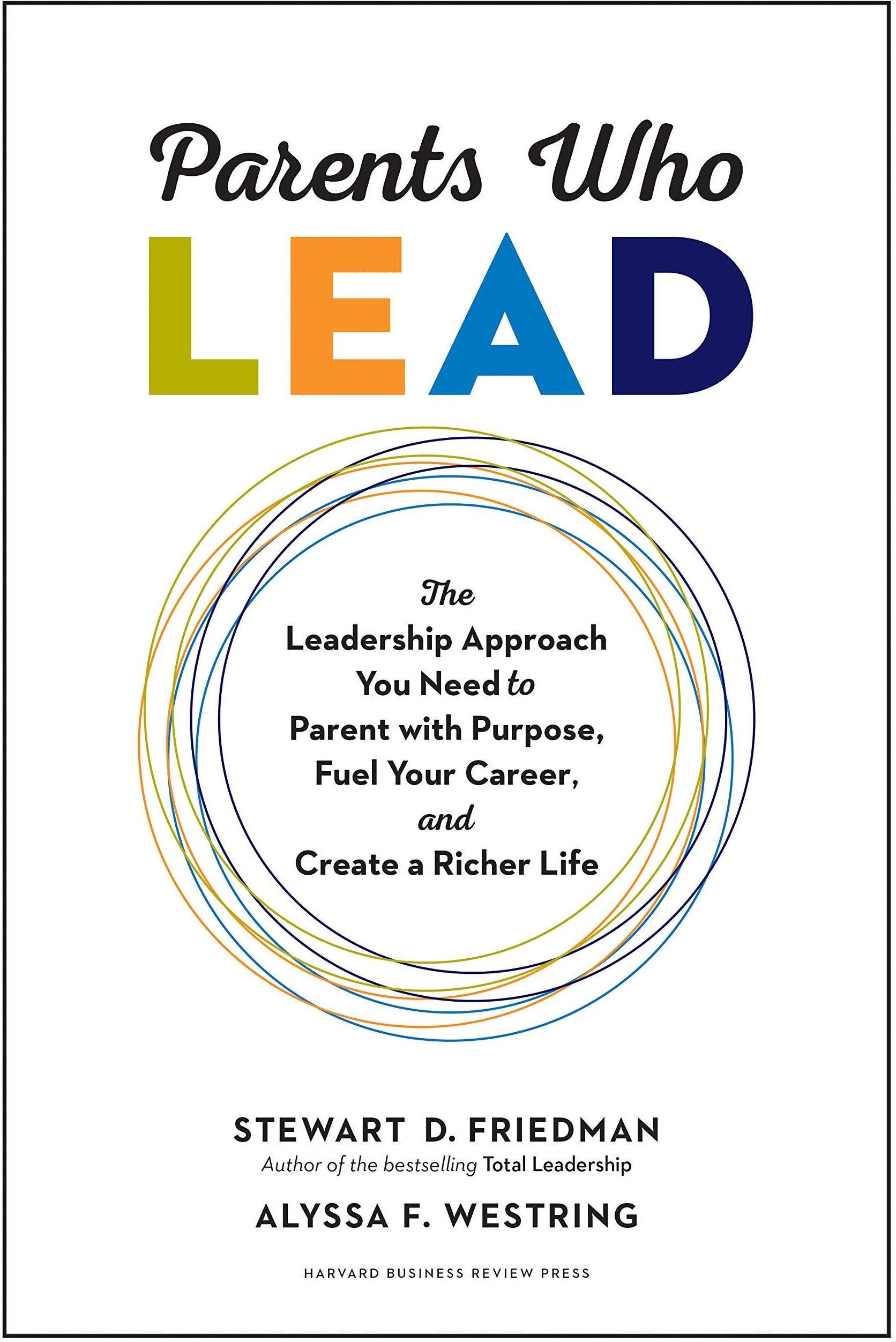
Harvard Business Review Press Parents Who Lead: The Leadership Approach You Need to Parent with PurposeParents in today's fast-paced, disorienting world can easily lose track of who they are and what really matters most. But it doesn't have to be this way. As a parent, you can harness the powerful science of leadership in order to thrive in all aspects of your life. Drawing on the principles of his book Total Leadership--a bestseller and popular leadership development program used in organizations worldwide--and on their experience as researchers, educators, consultants, coaches, and parents, Stew Friedman and coauthor Alyssa Westring offer a robust, proven method that will help you gain a greater sense of purpose and control.8,90 £*Shipping: 2,99 £Secure redirect to the provider
-
Perfect Picks Market Dinosaur Shooting Tyrannosaurus Rex Interactive Soft Bullet Gun Toy For Kids & Parents nofunction Dinosaur1Unleash endless fun with the Dinosaur Shooting Toy! Perfect for bonding time, this interactive Tyrannosaurus Rex soft bullet gun is designed for both children and parents. It promotes physical play and enhances imagination while encouraging...49,97 $*Shipping: 0,00 $Secure redirect to the provider
-
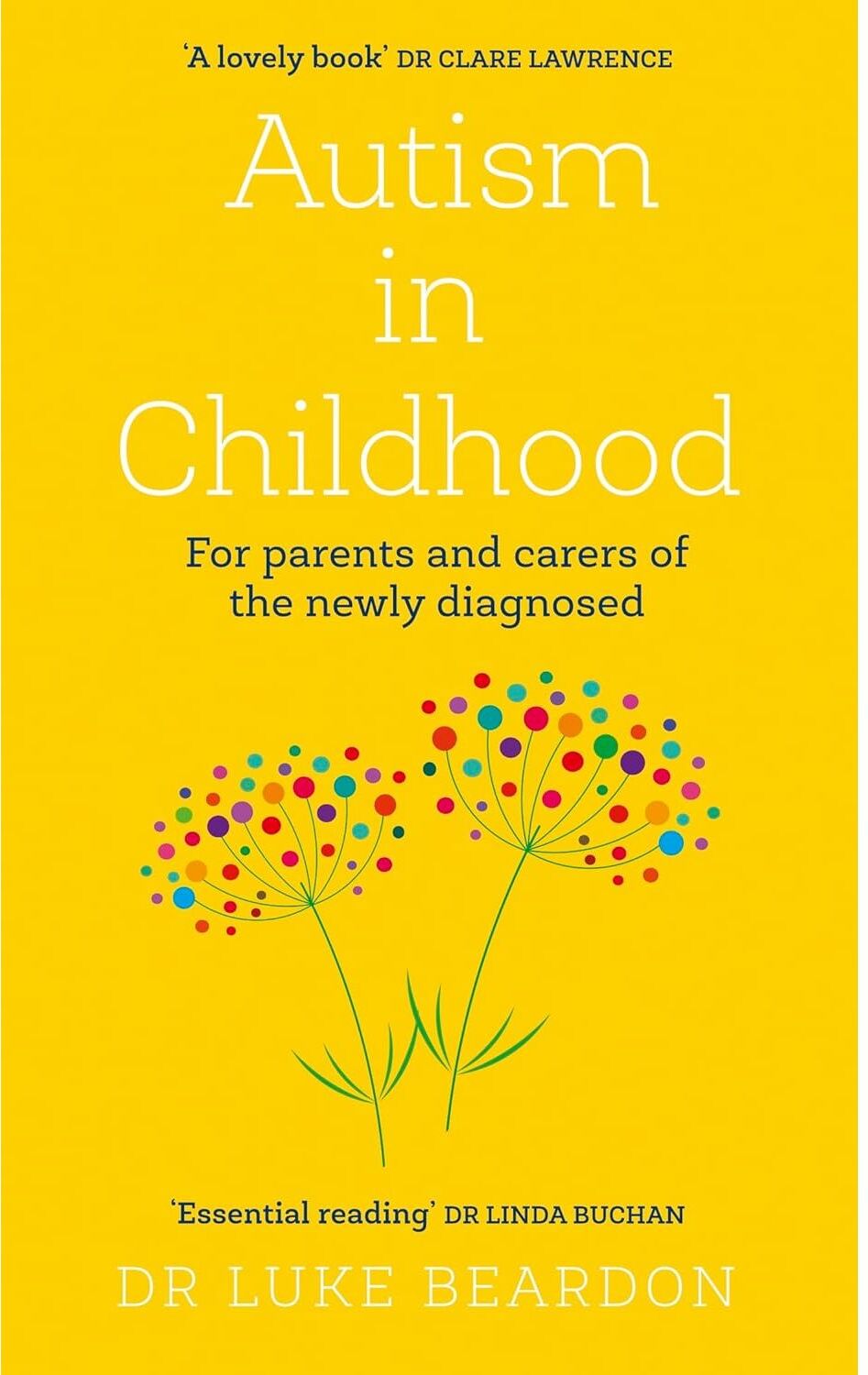
Sheldon Press Autism in Childhood: For parents and carers of the newly diagnosed by Dr Luke BeardonA diagnosis - or a suspected diagnosis - of autism or Asperger Syndrome in a child can be overwhelming for a parent, especially if you know nothing, or very little, about either of them.Dr Luke Beardon is a well-known expert in the field, and this book is an accessible, easy-to-read introduction for those encountering autism for the first time. Gently and honestly, it guides you through the issues you might encounter, busting the myths around autism and Asperger Syndrome, and explaining what the diagnosis means for your child, for you, and for your wider family. It looks at sensory profiles, helps you handle your child's anxiety, tackles education, and answers a variety of frequently asked questions.Other topics covered by this sensitive and empowering book include how to have conversations with your child (the 'autistic voice'), how to manage your child's education and - importantly - the undeniable strengths of autism.As an introduction to - and a celebration of - the intriguing, beguiling, frustrating and remarkable world of autism, this book will help you understand your child's unique value and importance in the world.4,99 £*Shipping: 1,99 £Secure redirect to the provider


-
How do parents talk about internet friends and internet relationships?
Parents often talk about internet friends and relationships with caution and concern. They may express worries about the safety and authenticity of these online connections, and may advise their children to be cautious and discerning when interacting with people they meet on the internet. Some parents may also emphasize the importance of maintaining a balance between online and offline relationships, and encourage their children to prioritize face-to-face interactions. Overall, parents tend to approach the topic of internet friends and relationships with a mix of skepticism and guidance, aiming to help their children navigate the digital world safely. **
-
How do parents best talk about internet friends?
When talking to their children about internet friends, parents should emphasize the importance of being cautious and discerning when interacting with people online. They should encourage open communication and establish guidelines for online interactions, such as not sharing personal information or meeting in person without parental supervision. It's also important for parents to foster a sense of trust and understanding so that their children feel comfortable coming to them if they have any concerns about their internet friends. By maintaining an open dialogue and setting clear boundaries, parents can help their children navigate their online friendships safely. **
-
Why don't the parents accept the internet friend?
Parents may not accept the internet friend because they are concerned about the safety of their child. They may worry that the person could be someone with malicious intentions or that their child could be at risk of being manipulated or harmed. Additionally, parents may feel uneasy about not being able to verify the identity or background of the internet friend, leading to a lack of trust in the relationship. Overall, parents' reluctance to accept the internet friend is often rooted in their desire to protect their child from potential dangers associated with online interactions. **
-
Do the parents forbid contact with internet friendships?
It is not explicitly mentioned whether the parents forbid contact with internet friendships. However, the parents express concern about the potential dangers of online interactions and emphasize the importance of being cautious and setting boundaries when making friends online. They encourage their child to prioritize real-life relationships and to be mindful of the risks associated with forming friendships on the internet. Ultimately, the parents seem to advocate for a balanced approach to online friendships rather than outright forbidding them. **


Up to what age should parents monitor their child's digital activities?
Parents should monitor their child's digital activities until they are at least 18 years old. This is because children are still developing their decision-making skills and may not fully understand the potential risks and consequences of their online behavior. By monitoring their digital activities, parents can help protect their children from online dangers such as cyberbullying, inappropriate content, and online predators. It is important for parents to have open communication with their children about online safety and gradually give them more independence as they demonstrate responsible behavior. **
Why don't the parents accept the online friend?
The parents may not accept the online friend because they are concerned about their child's safety and well-being. They may worry that the online friend could be a stranger with malicious intentions or that their child could be exposed to inappropriate content or harmful influences. Additionally, the parents may feel that the online friendship is taking time and attention away from real-life relationships and activities. Overall, the parents' reluctance to accept the online friend likely stems from a desire to protect their child and ensure they are engaging in healthy and positive relationships. **
Top-Angebote
Products related to Parents:
-
HARPERCOLLINS The World's Worst Parents by David WalliamsMillions of young readers have loved the World’s Worst Children tales and revelled in the World’s Worst Teachers with their delightfully dreadful deeds – now prepare for…THE WORLD’S WORST PARENTS! From the phenomenally bestselling David Walliams and illustrated in glorious colour by the artistic genius, Tony Ross. Are you ready to meet the worst parents ever? Sure, some parents are embarrassing – but they’re NOTHING on this lot. These ten tales of the world’s most spectacularly silly mums and deliriously daft dads will leave you rocking with laughter. Pinch your nose for Peter Pong, the man with the stinkiest feet in the world… jump out of the way of Harriet Hurry, the fastest mum on two wheels… watch out for Monty Monopolize, the dad who takes all his kids’ toys… and oh no, it’s Supermum! Brandishing a toilet brush, a mop and a very bad homemade outfit…7,95 £*Shipping: 2,99 £Secure redirect to the provider
-
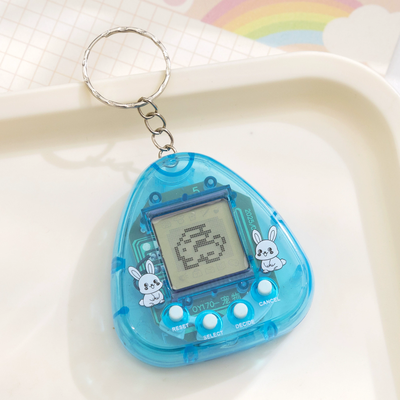
Tiny Tots Teens Trends Nostalgic Transparent Electronic Pets, Pixel Funny Virtual Cyber Digital Toy Keychain 11Bring back the charm of childhood with these Transparent Electronic Pets! Perfect for both kids and adults, this nostalgic virtual pet game brings fun pixel play and digital memories in a small, portable keychain size. With 168 pets to choose from,...23,97 $*Shipping: 0,00 $Secure redirect to the provider
-
Uplift Picks Tic Tac Toe Board Game Family Puzzle Game For Kids And Parents 1Simple, classic, and endlessly fun, this tic tac toe board game brings timeless entertainment to kids and families. Designed for friendly competition, it encourages children to think ahead while enjoying playful interaction with parents or friends....49,50 $*Shipping: 0,00 $Secure redirect to the provider
-
Harvard Business Review Press Parents Who Lead: The Leadership Approach You Need to Parent with PurposeParents in today's fast-paced, disorienting world can easily lose track of who they are and what really matters most. But it doesn't have to be this way. As a parent, you can harness the powerful science of leadership in order to thrive in all aspects of your life. Drawing on the principles of his book Total Leadership--a bestseller and popular leadership development program used in organizations worldwide--and on their experience as researchers, educators, consultants, coaches, and parents, Stew Friedman and coauthor Alyssa Westring offer a robust, proven method that will help you gain a greater sense of purpose and control.8,90 £*Shipping: 2,99 £Secure redirect to the provider
-
Can parents take away the internet?
Yes, parents have the authority to take away the internet from their children as a form of discipline or to set boundaries. It is important for parents to establish clear rules and consequences regarding internet usage in the household. However, it is also important for parents to have open communication with their children about the reasons for taking away the internet and to work towards finding a balance that promotes responsible internet usage. **
-
What do parents do on the internet?
Parents use the internet for a variety of purposes, including staying connected with family and friends through social media, researching and gathering information on parenting and child development, shopping for household items and children's necessities, managing finances and banking, and seeking out entertainment and leisure activities. Additionally, parents may use the internet to access educational resources for themselves and their children, seek out parenting advice and support from online communities, and stay informed about current events and news. Overall, the internet serves as a valuable tool for parents to navigate and manage various aspects of their lives. **
-
How do parents talk about internet friends and internet relationships?
Parents often talk about internet friends and relationships with caution and concern. They may express worries about the safety and authenticity of these online connections, and may advise their children to be cautious and discerning when interacting with people they meet on the internet. Some parents may also emphasize the importance of maintaining a balance between online and offline relationships, and encourage their children to prioritize face-to-face interactions. Overall, parents tend to approach the topic of internet friends and relationships with a mix of skepticism and guidance, aiming to help their children navigate the digital world safely. **
-
How do parents best talk about internet friends?
When talking to their children about internet friends, parents should emphasize the importance of being cautious and discerning when interacting with people online. They should encourage open communication and establish guidelines for online interactions, such as not sharing personal information or meeting in person without parental supervision. It's also important for parents to foster a sense of trust and understanding so that their children feel comfortable coming to them if they have any concerns about their internet friends. By maintaining an open dialogue and setting clear boundaries, parents can help their children navigate their online friendships safely. **
Similar search terms for Parents
-
Perfect Picks Market Dinosaur Shooting Tyrannosaurus Rex Interactive Soft Bullet Gun Toy For Kids & Parents nofunction Dinosaur1Unleash endless fun with the Dinosaur Shooting Toy! Perfect for bonding time, this interactive Tyrannosaurus Rex soft bullet gun is designed for both children and parents. It promotes physical play and enhances imagination while encouraging...49,97 $*Shipping: 0,00 $Secure redirect to the provider
-
Sheldon Press Autism in Childhood: For parents and carers of the newly diagnosed by Dr Luke BeardonA diagnosis - or a suspected diagnosis - of autism or Asperger Syndrome in a child can be overwhelming for a parent, especially if you know nothing, or very little, about either of them.Dr Luke Beardon is a well-known expert in the field, and this book is an accessible, easy-to-read introduction for those encountering autism for the first time. Gently and honestly, it guides you through the issues you might encounter, busting the myths around autism and Asperger Syndrome, and explaining what the diagnosis means for your child, for you, and for your wider family. It looks at sensory profiles, helps you handle your child's anxiety, tackles education, and answers a variety of frequently asked questions.Other topics covered by this sensitive and empowering book include how to have conversations with your child (the 'autistic voice'), how to manage your child's education and - importantly - the undeniable strengths of autism.As an introduction to - and a celebration of - the intriguing, beguiling, frustrating and remarkable world of autism, this book will help you understand your child's unique value and importance in the world.4,99 £*Shipping: 1,99 £Secure redirect to the provider
-
GlowBake DIY Digital Hourglass Birthday Gift Toy For Kids, Cyber Electronic Hourglass With Glow & Tech Style yellowElevate playtime and learning with our DIY Digital Hourglass Birthday Gift Toy a cyber electronic hourglass that merges modern tech style with timeless fun. Designed for kids and families, this electronic hourglass provides hours of educational...59,97 $*Shipping: 0,00 $Secure redirect to the provider
-
Tiny Tots Teens Trends Nostalgic Transparent Electronic Pets, Pixel Funny Virtual Cyber Digital Toy Keychain 7Bring back the charm of childhood with these Transparent Electronic Pets! Perfect for both kids and adults, this nostalgic virtual pet game brings fun pixel play and digital memories in a small, portable keychain size. With 168 pets to choose from,...23,97 $*Shipping: 0,00 $Secure redirect to the provider
-
Why don't the parents accept the internet friend?
Parents may not accept the internet friend because they are concerned about the safety of their child. They may worry that the person could be someone with malicious intentions or that their child could be at risk of being manipulated or harmed. Additionally, parents may feel uneasy about not being able to verify the identity or background of the internet friend, leading to a lack of trust in the relationship. Overall, parents' reluctance to accept the internet friend is often rooted in their desire to protect their child from potential dangers associated with online interactions. **
-
Do the parents forbid contact with internet friendships?
It is not explicitly mentioned whether the parents forbid contact with internet friendships. However, the parents express concern about the potential dangers of online interactions and emphasize the importance of being cautious and setting boundaries when making friends online. They encourage their child to prioritize real-life relationships and to be mindful of the risks associated with forming friendships on the internet. Ultimately, the parents seem to advocate for a balanced approach to online friendships rather than outright forbidding them. **
-
Up to what age should parents monitor their child's digital activities?
Parents should monitor their child's digital activities until they are at least 18 years old. This is because children are still developing their decision-making skills and may not fully understand the potential risks and consequences of their online behavior. By monitoring their digital activities, parents can help protect their children from online dangers such as cyberbullying, inappropriate content, and online predators. It is important for parents to have open communication with their children about online safety and gradually give them more independence as they demonstrate responsible behavior. **
-
Why don't the parents accept the online friend?
The parents may not accept the online friend because they are concerned about their child's safety and well-being. They may worry that the online friend could be a stranger with malicious intentions or that their child could be exposed to inappropriate content or harmful influences. Additionally, the parents may feel that the online friendship is taking time and attention away from real-life relationships and activities. Overall, the parents' reluctance to accept the online friend likely stems from a desire to protect their child and ensure they are engaging in healthy and positive relationships. **
* All prices are inclusive of VAT and, if applicable, plus shipping costs. The offer information is based on the details provided by the respective shop and is updated through automated processes. Real-time updates do not occur, so deviations can occur in individual cases. ** Note: Parts of this content were created by AI.